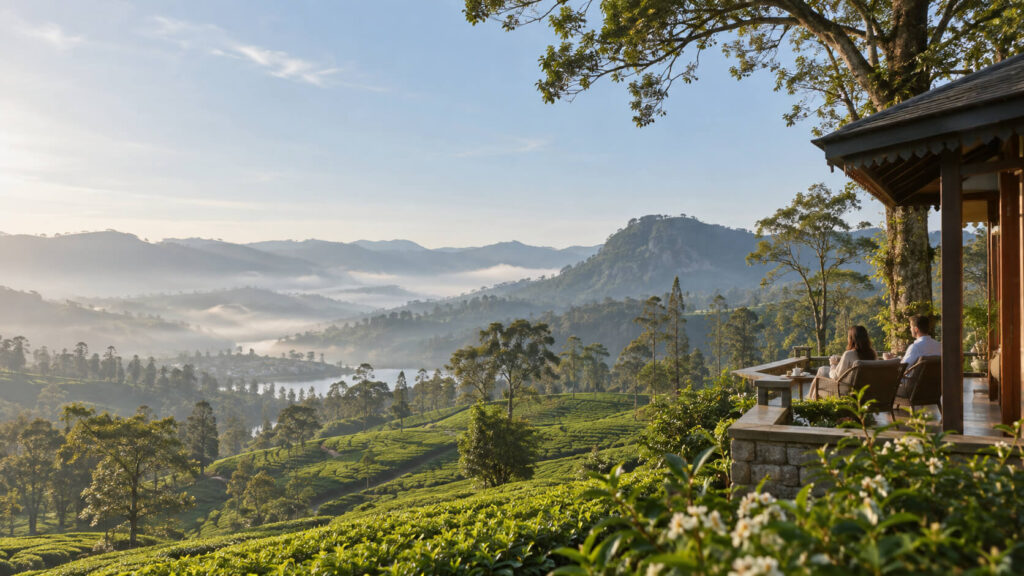
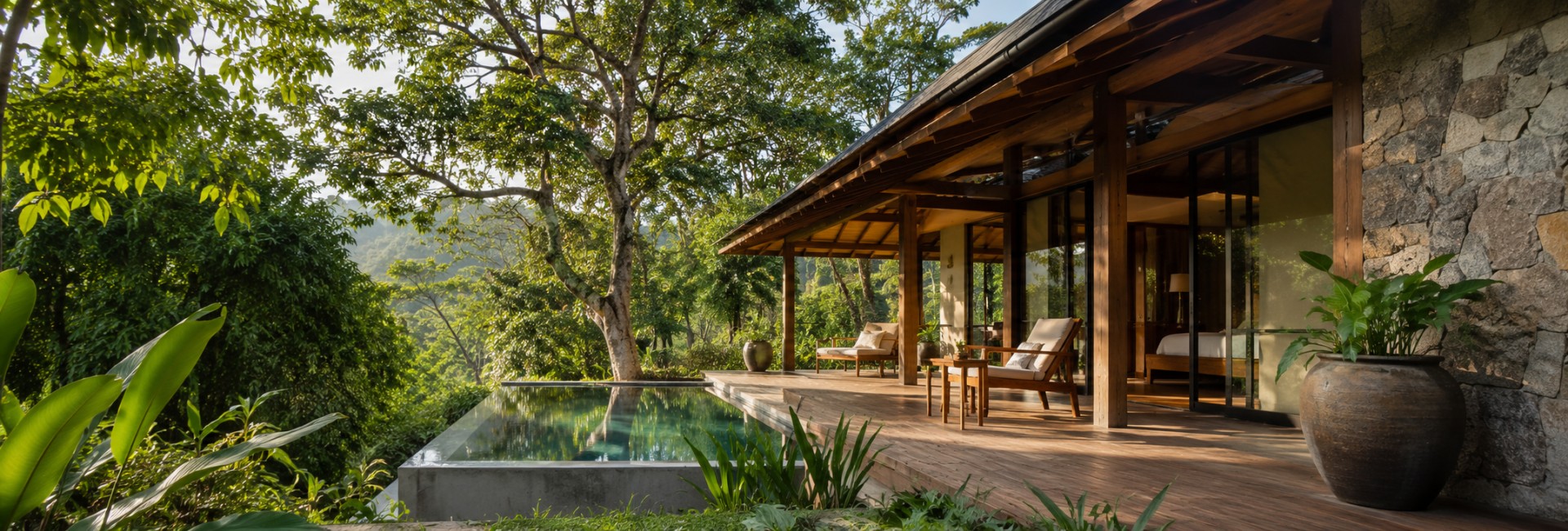
Luxury is often measured by what is added: space, privacy, service, rarity. In Sri Lanka, the journeys that last are shaped just as much by what is thoughtfully left unchanged.
Does a higher budget make a journey more responsible?
No. A higher budget makes a journey more influential. Where a traveller stays, who guides them and where their spend ends up all carry more weight when the journey is designed around one traveller. That is a reason to ask more of a luxury journey, not less.
Why does responsibility matter so much in Sri Lanka?
Sri Lanka’s appeal rests on its climate, biodiversity, heritage, sacred places and living cultures. These are the island’s greatest assets and they are also its most delicate. Laws and regulations provide a foundation but responsible tourism asks more of every link in the supply chain, to act out of a real understanding of the impact of its choices, not only to meet legal requirements.
Is choosing a sustainable hotel enough?
It is a good start but not the whole answer. A thoughtfully chosen stay, a nature excursion or a village visit does not by itself guarantee wider benefit. Some community experiences have become commercialised, concentrated in a few locations or involving only a few households. A visit can be enjoyable and still deliver little to the community. What matters is whether the experience is designed with and benefits the people who live there.
What should a premium journey deliver?
- Depth over distance. Fewer places, experienced properly, rather than a list ticked off.
- Experiences with substance. Wildlife, wellness, art and craft and adventure, each chosen for what it gives the traveller and respects in the destination.
- Honest guidance. Not every experience that can be bought is one worth recommending. A good travel specialist says so.
- Spend that reaches people. [Describe how the brand works with local artisans, hosts or suppliers.]
How does a bespoke journey help?
A bespoke journey can make travel more responsible because nothing in it is fixed in advance. When an itinerary is designed around one traveller, sustainable choices can be part of the design from the first conversation instead of being added at the end. The wildlife, wellness, adventure and craft experiences within it can each be chosen with care for the place and the people involved.
This also changes the conversation between traveller and designer. A discerning traveller can ask how wildlife encounters are managed and what guidelines are followed. They can ask which community experiences benefit local households directly and how hotels and partners are chosen. They can also ask what the journey leaves behind and how that is managed.
Good designers welcome these questions, because honest answers are what make a journey worth its price. Sometimes the answer is a better alternative and sometimes it is a respectful “we would not recommend that.”
FAQ
Is responsible travel only for certain budgets?
No. The standard of responsibility should be the same whether someone is backpacking or travelling in high-end comfort.
Does responsible luxury mean compromising on comfort?
No. It means being deliberate about where comfort comes from and who benefits from it.
Can an itinerary be fully customised and still be responsible?
Yes, when the specialists designing it are willing to guide the traveller and sometimes to say no.
A journey of opulence is best measured not by what it adds but by the connections made and the positive difference left behind.