WAY
Timeless heritage shaped by faith, art and history
Sri Lanka’s Culture and Core Values
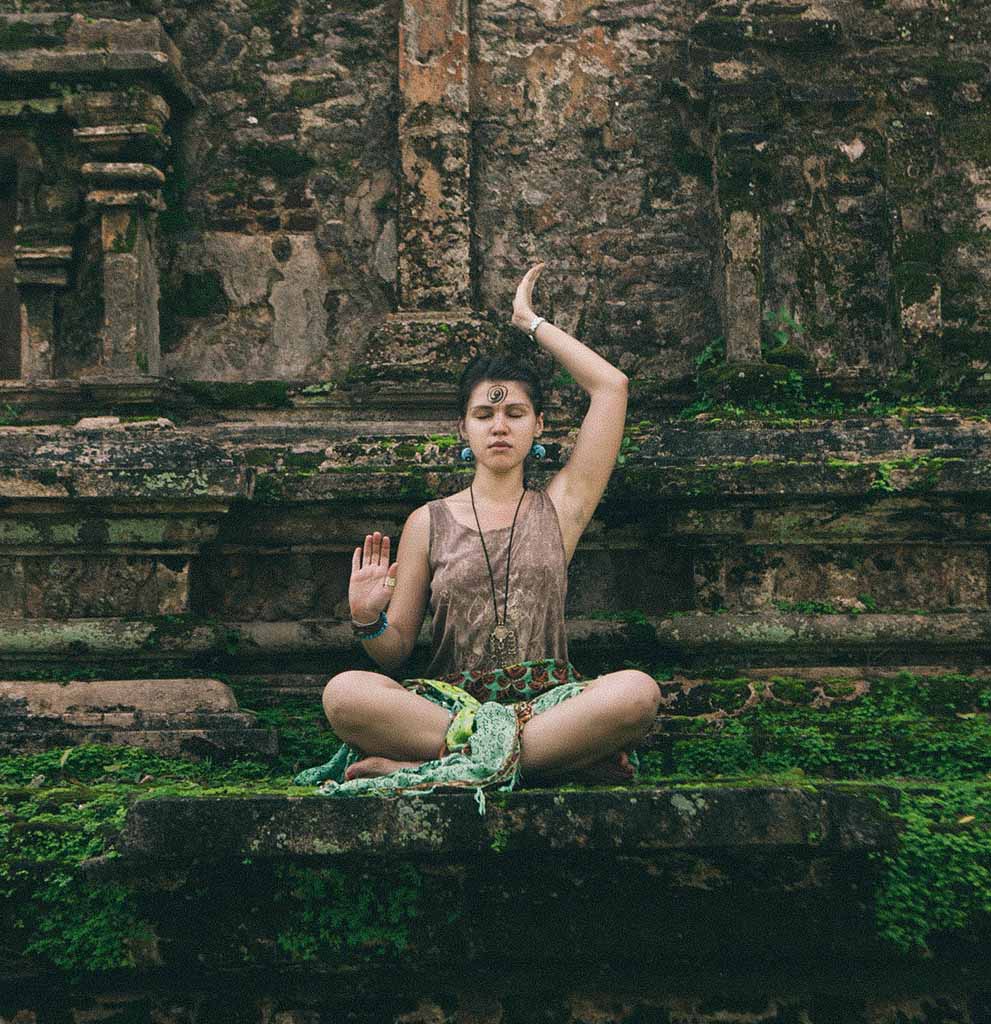
Sri Lanka’s culture is a rich tapestry woven from ancient kingdoms, colonial influences and centuries old traditions. Rooted in Buddhism yet enriched by diverse faiths and ethnicities, it thrives through vibrant art, music, dance and daily rituals. From temple ceremonies to warm greetings, this living heritage reflects people united by hospitality, spirituality and a deep connection to the land.
Special Points:
- Living traditions across faiths
- Timeless art, dance and music
- Warmth rooted in everyday life
Sri Lanka’s cultural identity is a unique blend of ancient traditions, colonial legacies and diverse faiths. Early influences came from the Yaksha and Naga tribes, later nourished by Buddhism in the 2nd century B.C. and enriched through Indian connections. Over time, powerful Kings shaped the nation with advanced irrigation, architecture and agriculture before Portuguese, Dutch and British rule brought democracy, education and new trade systems.
Today, four main ethnic groups, Sinhalese, Tamils, Muslims and Burghers, live in harmony, each preserving customs passed down for over 2,500 years. Greetings like Ayubowan, Vanakkam and Assalamu Alaikum reflect cultural diversity. Traditional attire includes the sarong for men, sari for women and diyareddha bathing wraps still worn in rural villages.
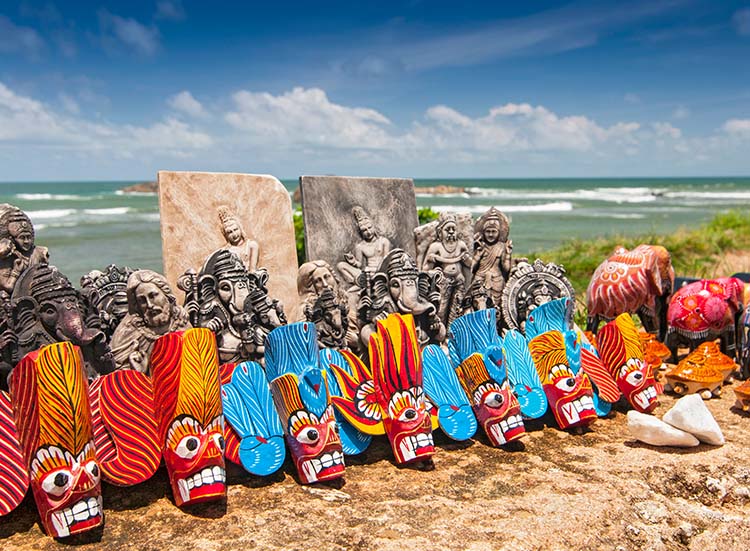
Art and performance remain vital, with Kandyan, Low Country and Sabaragamuwa dances performed at temple rituals, alongside folk dances celebrating harvests. Festivals like Poya Days, Pirith ceremonies, Aluth Avurudda (New Year) and village harvest rituals mark the calendar. Astrology still guides life events, from weddings to house building.
Even medicine is cultural, Ayurveda, preserved for 3,000 years, thrives alongside ancient healing practices. This living heritage is not just preserved in museums, it’s lived, felt and celebrated daily.
Also Featured on
Elephant Encounters
explore locationsTop 10 Must Visit Places in Sri Lanka
explore locations
Subterranean Adventures
explore locationsWhy Sri Lanka
explore locationsNightlife and High Stakes
explore locationsGolfing in Paradise
explore locations
Pristine Beaches
explore locations
Cascading Wonders
explore locations
Underwater Wonders
explore locationsRelated Experiences